
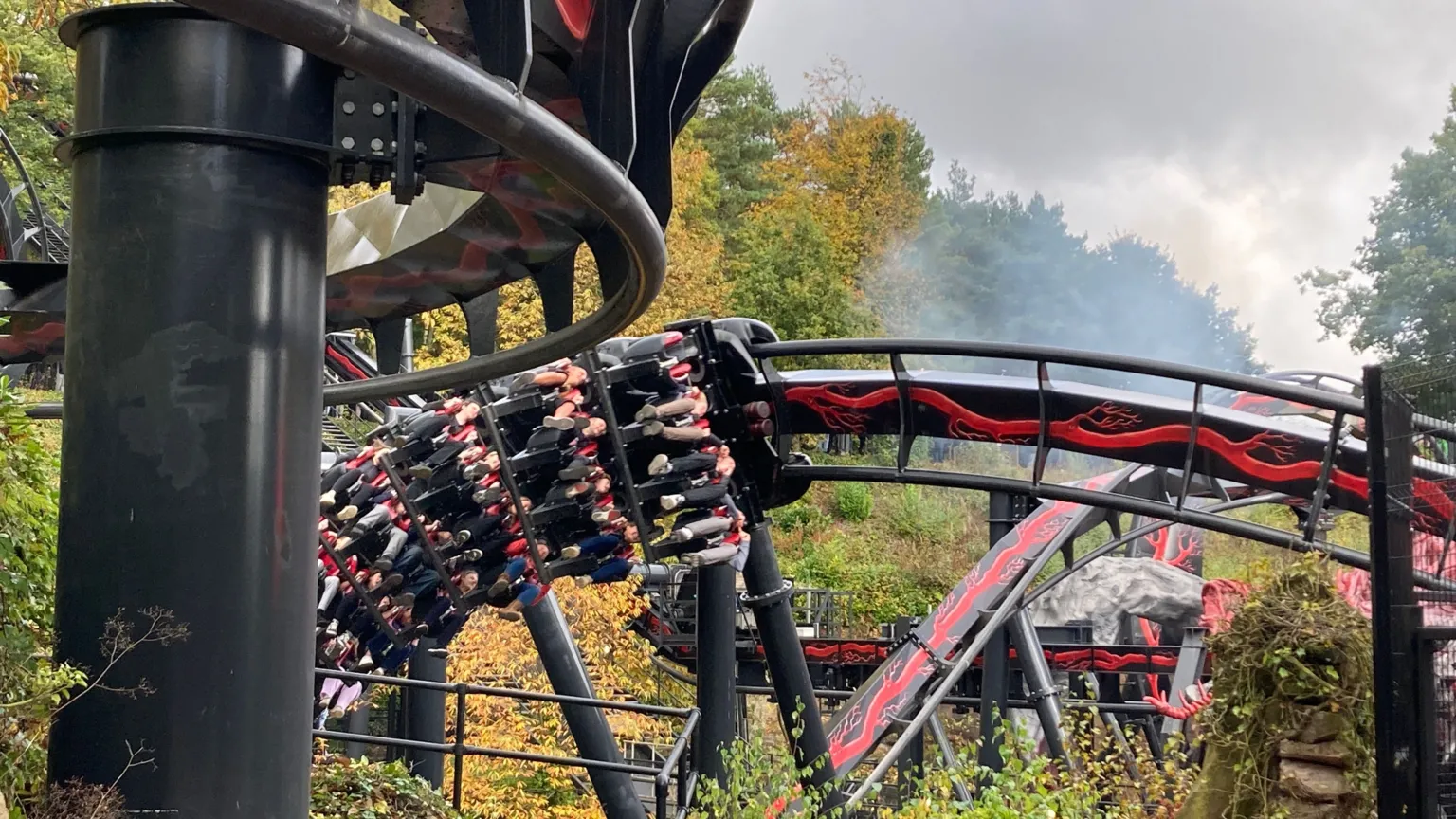

Alton Towers will introduce a new virtual queuing system for visitors with accessibility needs, earning praise from disability charities and advocacy groups.
The upgraded Ride Access Pass (RAP) will allow eligible visitors to wait for rides through an app instead of standing in physical queues. Merlin Entertainments, which operates Alton Towers, plans to introduce the system at other parks, including Thorpe Park and Legoland Windsor Resort, next year.
The announcement follows criticism in February after Merlin proposed changes that would have prevented some visitors with conditions such as ADHD and autism from using a physical RAP.
However, Merlin says the new system will not change the eligibility criteria. Visitors who cannot wait in long queues because of physical, emotional or learning needs will continue to qualify for the pass.
Alton Towers, based in Staffordshire, will begin using the revamped RAP system at the end of this year. Other Merlin theme parks will follow in 2027.
Merlin Responds to Earlier Backlash
Merlin faced strong criticism earlier this year after families of children with additional needs told the BBC that proposed restrictions could prevent their children from visiting its theme parks.
Families said long queues and sensory overload in crowded environments could make visits extremely difficult.
Under the proposed changes, visitors who struggled with crowds at attractions such as Alton Towers, Chessington World of Adventures and Legoland Windsor would no longer have qualified for the RAP during busy periods such as half-term.
Merlin later reversed the proposal after an online petition opposing the changes attracted more than 25,000 signatures. The company said it had listened to feedback and would pause the changes while exploring alternative options.
The company has since worked with disability experts, charities and advocacy groups, including Disability Rights UK, Scope, ADHD UK and the National Autistic Society, to develop the new virtual queuing system.
Lisa Myers from the National Autistic Society welcomed Merlin’s decision to consult autistic people and their families. She also highlighted the company’s decision to keep the existing RAP eligibility criteria.
She said the new approach could make a significant difference for autistic people by making it easier for them to access attractions and facilities.
Myers added that the National Autistic Society had worked with Merlin for years and recognised its efforts to make its venues more welcoming and inclusive for autistic visitors.
John McLachlan, interim chief executive of Scope, also welcomed the changes. He described the new system as a positive step toward removing unnecessary barriers and improving the experience for disabled visitors.
How the New Virtual Queue Will Work
Merlin’s current RAP system uses a reverse queue arrangement. Visitors with a RAP must book a ride slot in advance to avoid the physical queue, then wait before booking another attraction.
The new system will change how that waiting period works.
Instead of waiting in a physical queue, RAP holders will receive a virtual place in line through the app. They will wait for roughly the same amount of time as visitors standing in the regular queue.
The app will notify them when they are approaching the front of the queue. This will allow visitors to spend their waiting time in an environment where they feel more comfortable.
When their ride becomes available, staff will direct RAP holders to a separate entrance where they can join the attraction.
Rob Smith, Merlin’s chief operating officer, said the company had listened to feedback from RAP users, charities and other partners.
He said Merlin believed the new virtual queue system would significantly improve the experience for visitors.
Smith acknowledged that the current system does not always give guests the flexibility and comfort they need. He said Merlin designed the new approach in response to that feedback.
The company also said it would continue working with RAP users and advocacy groups as it introduces the new system across its theme parks.