


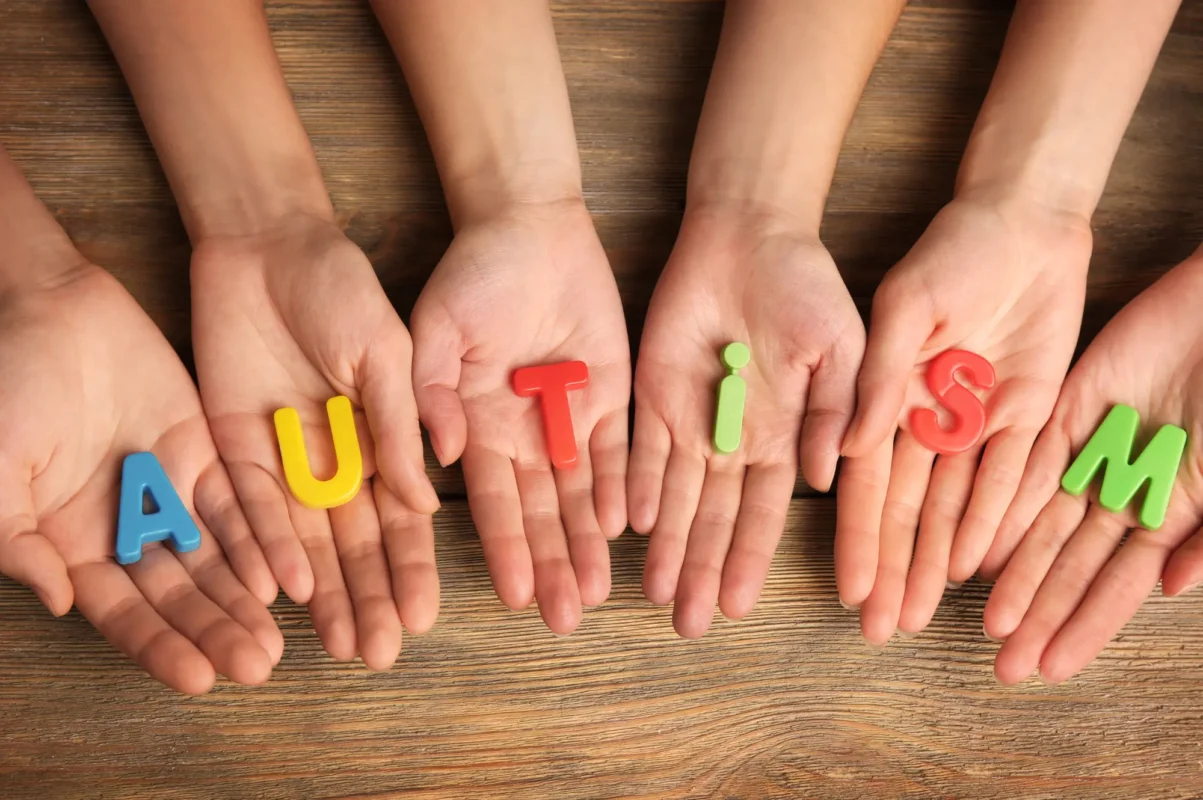


Autism, often referred to as Autism Spectrum Disorder (ASD), is a neurological and developmental condition that influences the way a person perceives the world and interacts with others. It is called a “spectrum” because it manifests differently in every individual, ranging from mild challenges to more significant difficulties in social, communication, and behavioral aspects. Understanding autism is essential not only for parents and caregivers but also for society as a whole, as it allows for more empathy, inclusion, and meaningful support for autistic individuals.
For many people with autism, daily life can feel overwhelming in ways that are difficult for neurotypical individuals to comprehend. Sensory sensitivities are one of the most common experiences. Everyday sights, sounds, or textures, like bright lights, crowded spaces, or certain fabrics, can trigger anxiety, discomfort, or even pain. These sensitivities often influence how autistic individuals navigate their environments, and families may need to adapt routines to minimize stress and sensory overload.
Communication differences are another core aspect of autism. Some individuals may be nonverbal, while others may have difficulty understanding tone, sarcasm, or social cues. This can make interactions with peers, teachers, or coworkers challenging and sometimes isolating. Parents and caregivers often become advocates, helping their children develop alternative communication methods such as picture boards, sign language, or speech-generating devices. Over time, many autistic individuals learn strategies to communicate effectively, but it often requires patience, practice, and support.
Routine and predictability play a crucial role in the daily lives of autistic individuals. Changes in schedule or unexpected events can cause stress or even meltdowns, as the brain processes the new information differently. Creating structured environments and clear expectations can provide a sense of safety and stability. Parents, caregivers, and educators who understand the importance of routines can make a significant difference in the quality of life for someone on the spectrum.
Autism also affects social interaction. Building friendships and engaging in group activities can be difficult due to differences in understanding social norms. However, with guidance and encouragement, many autistic individuals develop meaningful relationships. Supportive environments that respect individuality and offer patience and understanding foster confidence, self-expression, and social growth.
It is important to recognize that autism is not a disease to be cured but a way of being that requires understanding and adaptation. Every autistic person has unique strengths, whether it is exceptional attention to detail, creative thinking, or deep knowledge of a particular interest. Embracing these strengths and offering opportunities for growth allows autistic individuals to thrive in daily life and pursue their passions.
Living with autism can bring both challenges and profound rewards. Families, educators, and communities who invest time in understanding the spectrum create a world where autistic individuals can experience inclusion, respect, and opportunities for personal development. By recognizing how autism affects daily life, society can move toward greater acceptance, empathy, and meaningful support for everyone on the spectrum.