


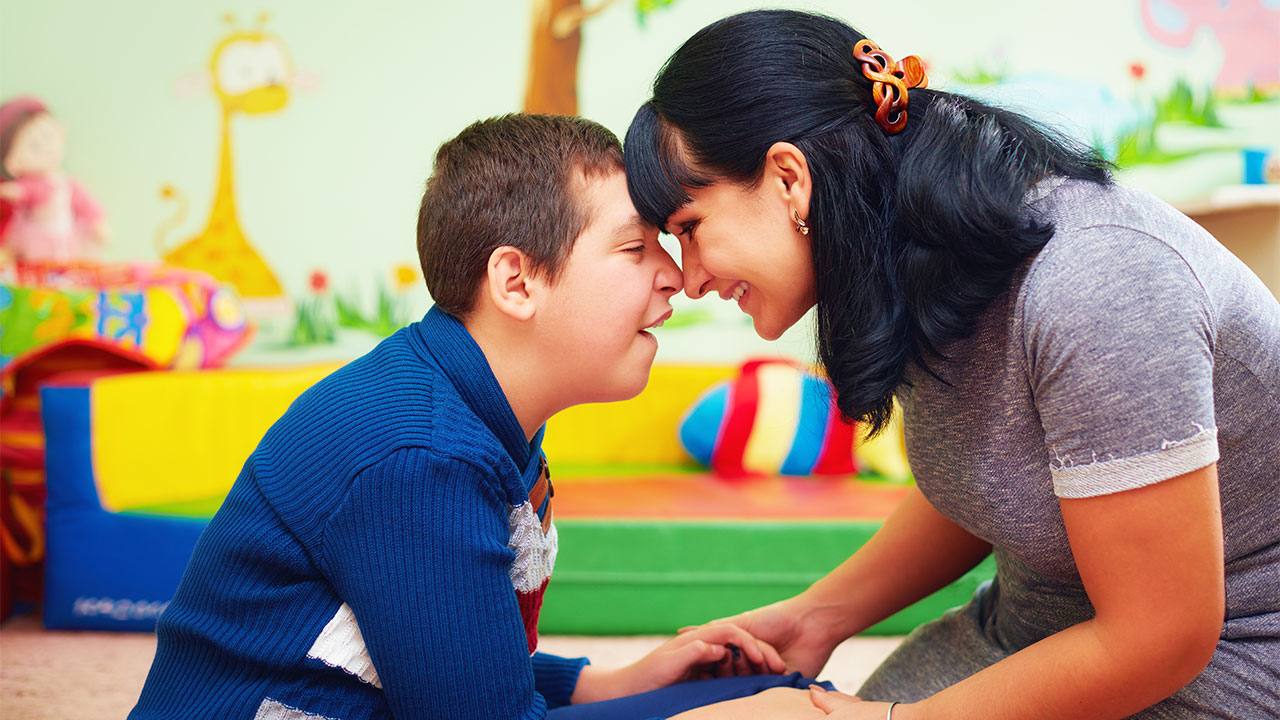


Parenting is never a one-size-fits-all journey. When you are raising a child on the autism spectrum, that truth becomes even more real. Each day can bring moments of joy, confusion, exhaustion, pride, and learning all at once. For many parents, one of the most difficult parts is not the child’s behavior itself, but how that behavior is understood, interpreted, and often judged, by society, by family, and sometimes even by the parents themselves.
Understanding behaviors without judgment does not mean ignoring challenges or pretending everything is easy. It means learning to look beyond what is visible and responding with empathy, patience, and understanding. This change in perspective can significantly improve both the child’s emotional well-being and the parent’s confidence.
Autism Spectrum Disorder is a neurodevelopmental condition that affects communication, social interaction, and how a child experiences the world. The word “spectrum” is important because it reminds us that autism looks different in every child. Some autistic children are highly verbal, while others communicate in nontraditional ways. Some thrive on routines, while others are more affected by sensory overload. What may appear as difficult or inappropriate behavior is often a child’s way of communicating something they cannot yet express with words.
Many behaviors associated with autism are misunderstood. For example, meltdowns are often confused with tantrums. A tantrum is usually goal-oriented, while a meltdown is an involuntary response to overwhelming sensory or emotional input. Loud noises, bright lights, crowded environments, sudden changes, or even physical discomfort can overwhelm an autistic child’s nervous system. When that limit is reached, the child may cry, scream, shut down, or act out. This is not a choice or manipulation, but a sign that the child is struggling to cope.
Repetitive behaviors such as rocking, hand-flapping, pacing, repeating words, or lining up objects are also frequently misunderstood. These behaviors, often called self-stimulatory behaviors or “stimming,” help autistic children regulate emotions and feel calm. Rather than trying to stop these actions, parents can learn to see them as coping tools, as long as they are not harmful.
Communication differences are another area where judgment often appears. Some autistic children may be nonverbal or speak less than their peers. This does not mean they lack understanding or intelligence. Many need more time to process information or respond, while others rely on visual aids, gestures, or alternative communication methods. Assuming a child understands more than they can express helps build trust and emotional safety.
Parents of children on the autism spectrum often face external judgment. Public stares, unsolicited advice, and comments like “they will grow out of it” or “you are too soft” can be deeply hurtful. Over time, these experiences may lead parents to question themselves and feel isolated. Self-judgment can be just as heavy. Many parents silently wonder if they are doing enough or if they are doing the right things at all.
Letting go of judgment starts with offering yourself grace. Parenting an autistic child requires learning, adapting, and patience. There is no perfect approach, and progress is rarely linear. Every small step forward matters, even if it looks different from what others expect.
Observing behavior before reacting can make a big difference. Paying attention to patterns, triggers, and environments helps parents understand what the child may be communicating. Hunger, fatigue, anxiety, or sensory overload often play a role. When parents respond calmly and thoughtfully, children feel safer and more supported.
Clear, gentle communication is also essential. Simple language, consistent routines, and visual cues can reduce confusion and anxiety. Predictability provides a sense of security for many autistic children. When changes are unavoidable, preparing the child ahead of time can help prevent emotional distress.
Progress should always be celebrated, no matter how small it may seem. Success looks different for every child, and comparison often steals joy. Growth on the autism spectrum is unique, and each achievement deserves recognition.
Parenting a child on the autism spectrum is not meant to be done alone. Support from therapists, educators, parent communities, and understanding family members can ease the journey. Asking for help is not a sign of weakness; it is a sign of strength and awareness.
Autism is not a flaw or a tragedy. It is a different way of experiencing the world. An autistic child is not broken or difficult but a whole person with strengths, challenges, emotions, and potential. When parents learn to understand behaviors without judgment, children feel accepted and safe. And when children feel safe, they are more able to grow, learn, and thrive.
At ViveO’clock, we believe that every child deserves understanding and every parent deserves support.