
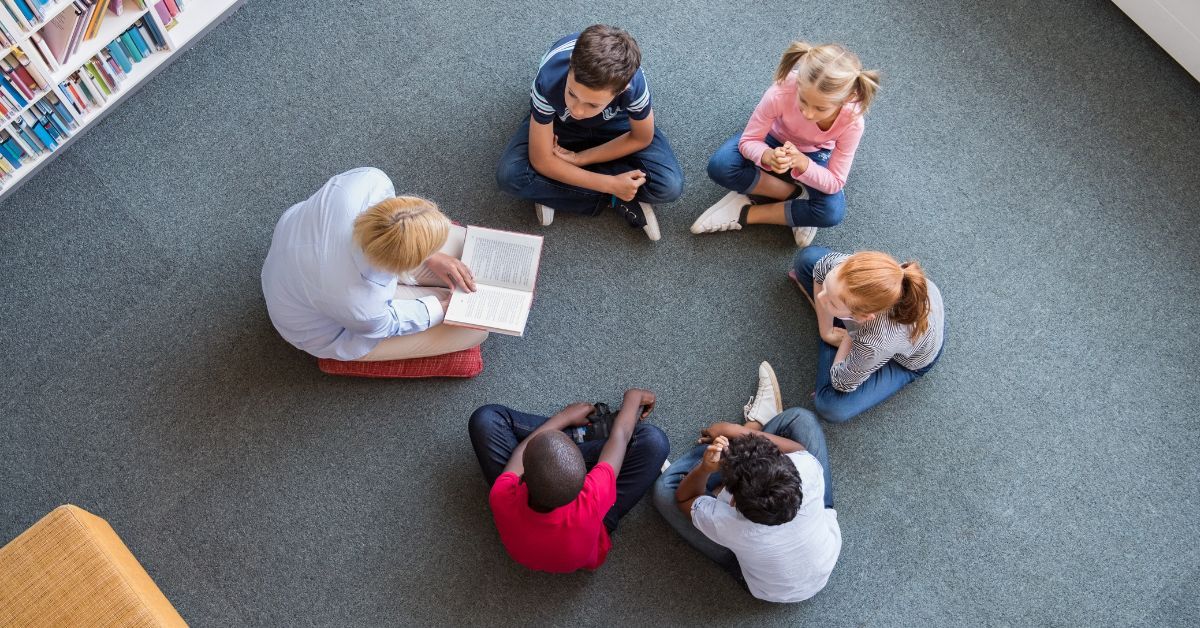

Promoting inclusion and acceptance for autistic children is more than just a goal, it’s a responsibility for families, schools, and communities. Every child deserves to feel valued, understood, and included, regardless of their neurological differences. Autism spectrum disorder comes with unique strengths and challenges, and embracing these differences can make a lasting impact on a child’s self-esteem and overall development.
One of the most important ways to foster inclusion is through education and awareness. Understanding autism is key to challenging misconceptions and breaking down stereotypes. Parents, teachers, and peers who take the time to learn about sensory sensitivities, communication differences, and social challenges can better support autistic children in daily life. Simple acts, such as explaining a child’s needs to classmates or offering resources about autism, can create an environment of understanding rather than judgment.
Another essential approach is encouraging social interaction in safe and supportive settings. Socialization can be challenging for autistic children, but providing opportunities for structured play, group activities, or clubs that align with a child’s interests can help them feel included. Acceptance grows when peers see the child’s abilities rather than their differences. Parents can also model inclusion at home by inviting friends over, celebrating unique talents, and teaching empathy and patience.
Advocacy is also a powerful tool in promoting inclusion. Parents and caregivers who speak up for their child’s needs at school or in public spaces help create systemic change. Simple accommodations, like allowing extra time for tasks, providing sensory-friendly spaces, or using visual schedules, can significantly reduce anxiety and make environments more welcoming. Advocating for these adjustments not only benefits the child but also raises awareness among educators and the wider community about the importance of inclusive practices.
Promoting acceptance also means celebrating differences instead of trying to “fix” them. Autistic children may communicate, learn, or interact differently, but these differences often come with unique talents, creativity, and perspectives. Recognizing and valuing these strengths reinforces self-confidence and helps children feel proud of who they are. Encouraging hobbies, passions, and achievements, no matter how small, builds a culture of inclusion and appreciation.
Finally, fostering empathy and understanding in all children is key to long-term acceptance. Teaching neurotypical children to respect differences, listen actively, and respond kindly to peers with autism promotes social harmony and reduces stigma. Families, educators, and communities can lead by example, showing that acceptance is not just about tolerance but about genuine care, respect, and equal opportunity for all.
Promoting inclusion and acceptance for autistic children is a continuous effort that requires patience, education, and advocacy. By creating environments that celebrate differences, provide support, and encourage empathy, we empower autistic children to thrive, participate fully, and feel valued in every area of life. Inclusion is not just a concept, it is a practice that transforms lives, one understanding action at a time.