


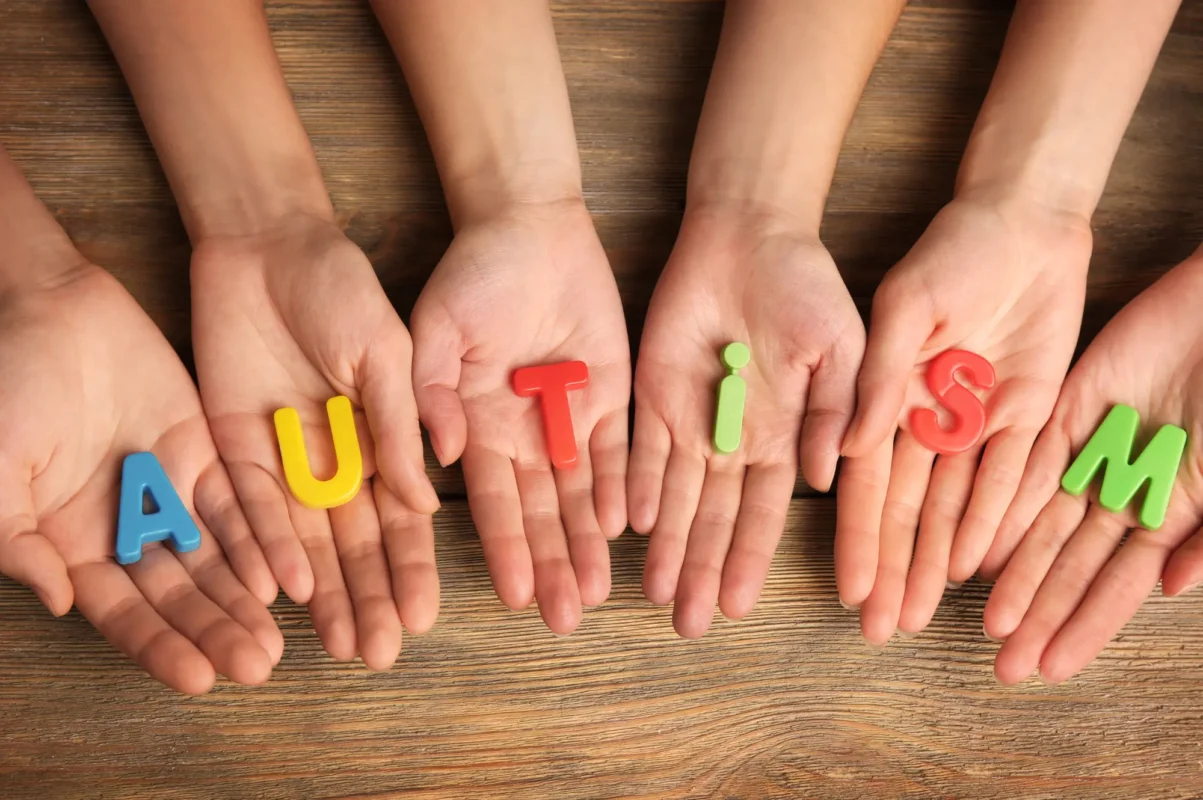


Autism has become a more visible topic in Nigeria in recent years, but increased awareness has not erased the challenges many families face. For parents raising autistic children, late diagnosis, social stigma, limited access to specialists and the high cost of therapy can make an already demanding journey even harder.
The recent marriage of Aboy Chibuzor, an autistic young Nigerian, to a woman from Edo State sparked a major conversation online about autism, disability rights, consent and the ability of autistic people to make decisions about their lives. The wedding followed an announcement by Apostle Chibuzor Chinyere, founder of Omega Power Ministries, who had publicly sought a wife for his adopted son and offered support that included a wedding gift, accommodation and long-term financial assistance.
The circumstances surrounding the marriage attracted different opinions, including questions from some lawyers about whether both parties gave their consent. Beyond the debate, however, the story brought attention to the experiences of many Nigerian families raising children with autism.
World Autism Awareness Day, marked every April 2, provides another opportunity to have that conversation. The day promotes greater understanding, acceptance and inclusion of people on the autism spectrum.
Autism Spectrum Disorder affects communication, social interaction and behaviour, although every autistic person experiences the condition differently. Some children may show signs during their first year, while others become more noticeably different between 18 and 24 months.
Parents and caregivers can look out for signs such as limited eye contact, failure to respond when called, difficulty with social interaction, repetitive behaviours, unusual sensory responses, strict routines, rocking, spinning objects or a lack of gestures such as pointing to something they find interesting.
Behaviour analyst Eziafakuku Nwokolo noted that some children show signs early in life, although those signs may become more obvious as they grow.
Consultant Clinical Director Beauty Kumesine also encouraged parents to pay attention to developmental milestones. For example, a 12-month-old child should typically babble, point and respond to their name, while parents usually expect some single words by around 16 months. A child who loses previously acquired speech or other skills also needs prompt professional assessment.
Unfortunately, many Nigerian families do not receive an autism diagnosis until their child reaches school age. At that point, teachers and parents may notice developmental differences more clearly because the child now interacts with other children in a structured environment.
Researchers have not identified one specific cause of autism. Evidence points to a combination of genetic and environmental factors. Factors associated with increased likelihood include family history, older parental age, premature birth and certain prenatal exposures. These factors do not mean that a child will definitely develop autism.
While researchers continue to study autism, misinformation continues to affect families. Some people still associate autism with witchcraft, curses, spiritual attacks or poor parenting. Others wrongly describe autism as madness or assume that every autistic person has an intellectual disability.
These beliefs can cause serious harm.
Kumesine explained that stigma can begin in everyday public spaces. When an autistic child struggles with communication or experiences a meltdown in a market, church or other public place, strangers may stare, whisper or blame the parent, often the mother.
Some families also hide their children because they fear judgement from relatives and neighbours. Others struggle to find schools willing to accept autistic children or discover that schools lack trained special education teachers and appropriate support.
Without the right support, children may receive unfair labels such as “slow,” “stubborn” or “dull” when they actually need a different approach to learning and communication.
Healthcare settings can present similar challenges. Some health workers may not understand sensory sensitivities or communication differences, making hospital visits particularly difficult for autistic children and their families.
Early identification can make a significant difference. Autism does not have a cure, but appropriate support can help children develop communication, social, educational and everyday living skills.
Depending on the child’s individual needs, support may include speech therapy, occupational therapy, behavioural interventions and specialised education. Parents can also work with qualified professionals to develop an approach that suits their child’s strengths and challenges.
The cost of accessing these services creates another major problem in Nigeria. Specialist services remain concentrated largely in major cities such as Lagos and Abuja, while many communities have few or no trained professionals available.
Families who can access therapy may still struggle to afford it. Therapy and specialised care can cost tens or hundreds of thousands of naira each month, and many families pay out of pocket because insurance coverage remains limited.
That financial pressure can force families to interrupt therapy or stop altogether. Some parents may also turn to spiritual or traditional interventions because they cannot afford professional care or because misinformation convinces them that autism has a spiritual cause.
Experts continue to call for stronger government intervention, including affordable therapy programmes, better insurance coverage, inclusive education and increased training for healthcare professionals and teachers.
They also want Nigeria to strengthen the implementation of the Discrimination Against Persons with Disabilities Act and develop stronger national systems for autism screening, assessment and support.
But the conversation should not focus only on the challenges.
Autistic children can learn, develop skills, build relationships and pursue their interests when families, schools and communities provide the right support. Many autistic people have also demonstrated remarkable abilities in areas such as art, media and creative expression.
Stories of autistic Nigerians such as Kanyeyachukwu Tagbo-Okeke, Ahmed Salami and Zizah Okeugo continue to challenge the idea that autism limits a person’s future.
For parents, one of the most important steps after an autism diagnosis involves learning about their child’s needs and finding appropriate support. Families should also protect children from harmful practices, including physical punishment, dangerous “deliverance” rituals and abusive attempts to change autistic behaviours.
Children should not have to live in isolation because their families fear society’s judgement.
The bigger responsibility also belongs to society. Parents should not have to fight alone for their children’s right to learn, communicate, participate and belong.
Nigeria needs more than occasional conversations about autism. Families need affordable services, trained professionals, inclusive schools and communities that understand that autistic children deserve dignity and opportunity.
Awareness matters, but acceptance, support and inclusion can change lives.